Endometriosis: Why It’s Not “Just Period Pain”
For many women, endometriosis is misunderstood as something that only affects you during your period.
But if you live with endometriosis, you already know that isn’t true.
Pain can show up any day of the month. Fatigue can linger for weeks. Digestive symptoms can appear completely unrelated to your cycle.
And for many women, the condition can impact work, relationships, mental health, energy, and fertility.
Understanding what’s actually happening in the body can be the first step toward supporting it.
What Is Endometriosis?
Endometriosis occurs when tissue similar to the uterine lining grows outside the uterus, commonly on the ovaries, fallopian tubes, bowel, bladder, or pelvic lining.
This tissue behaves like uterine lining tissue – responding to hormones and inflammation – which can lead to:
• pelvic pain
• heavy bleeding
• inflammation
• scar tissue and adhesions
• fertility challenges
It’s estimated that around 1 in 10 women of reproductive age have endometriosis, affecting roughly 190 million people worldwide.
Yet diagnosis can take years, leaving many women feeling dismissed or confused about their symptoms.
Endometriosis Is a Chronic Inflammatory Condition
Recent research increasingly recognises endometriosis as a systemic inflammatory disease, not just a reproductive condition.
The condition is strongly influenced by oestrogen and chronic inflammation, which can drive lesion growth, pain signalling, and immune dysfunction.
This inflammatory environment helps explain why symptoms are often not limited to menstruation.
Instead, the body may experience ongoing irritation, immune activation, and nerve sensitisation.
Why Endometriosis Can Affect You Every Day
Many women expect symptoms only during their period. In reality, endometriosis can affect daily life in multiple ways.
Chronic pelvic pain
Pain can occur even outside menstruation because endometriosis lesions can trigger ongoing inflammation and nerve irritation.
This can create:
dull aching pain
stabbing pelvic pain
lower back pain
hip or leg pain
Some women experience daily pelvic pain, regardless of where they are in their cycle.
Fatigue and low energy
Chronic inflammation, heavy bleeding, and immune activation can contribute to persistent fatigue.
Some women also develop iron deficiency from heavy periods, which can worsen exhaustion.
This is why many women with endometriosis report feeling:
drained
foggy
unable to recover their energy even when they sleep well.
Gut symptoms and bloating
Digestive symptoms are extremely common.
Endometriosis can affect the bowel itself or irritate surrounding nerves, contributing to:
bloating (“endo belly”)
constipation
diarrhoea
abdominal pain
Research has also found overlap between endometriosis and IBS-type symptoms, with dietary interventions sometimes helping reduce digestive discomfort.
Pain with sex, urination, or bowel movements
When lesions occur near the bladder, bowel, or pelvic nerves, everyday functions can become painful.
This may include:
painful sex
bladder discomfort
painful bowel movements
These symptoms can deeply impact relationships, confidence, and quality of life.
Mental and emotional health
Living with chronic pain and unpredictable symptoms can take a significant emotional toll.
Endometriosis is associated with higher rates of:
anxiety
depression
social isolation
Pain and fatigue may also interfere with work, study, and daily activities.
Why Endometriosis Support Needs to Be Holistic
There is currently no cure for endometriosis, and conventional treatments often focus on pain relief, hormone suppression, or surgery.
But because the condition involves hormones, inflammation, immune function, and gut health, many women benefit from a broader approach that supports the body as a whole.
From a naturopathic perspective, this may include supporting:
hormone balance
inflammatory pathways
gut health
liver detoxification
nutrient status
nervous system regulation
Every woman’s presentation is different, which is why personalised support can be so valuable.
Supporting Your Cycle With Herbs
Herbal medicine has traditionally been used to support menstrual health, circulation, and nervous system balance throughout the cycle.
Gentle herbal teas can become a simple daily ritual that helps women reconnect with their bodies and cycles.
Many herbs used in cycle-support formulas may support:
• menstrual comfort
• relaxation and stress resilience
• digestive support
• hormone balance
Small rituals like taking time for a warm herbal tea can also help slow down a body that’s often stuck in stress mode.
When to Seek Support
If you suspect endometriosis or are living with difficult menstrual symptoms, you deserve to be heard.
Common signs to investigate include:
severe period pain
pain outside your period
pain during sex
digestive issues linked to your cycle
heavy bleeding or clotting
fatigue or brain fog around menstruation
These symptoms are not something you should have to push through alone.
How I Support Women With Endometriosis
As a naturopath specialising in women’s health, I work with women experiencing:
painful periods
suspected or diagnosed endometriosis
hormonal imbalances
fatigue and digestive symptoms linked to the cycle
Support may include functional testing, personalised herbal medicine, and nutrition strategies to address the root drivers of symptoms.
If you’re looking for gentle support for your cycle, you can also explore our Moon Cycle herbal tea blends, designed to support you through each phase of the menstrual cycle.
Or if you’d like personalised support:
Together we can explore what your body is trying to tell you and create a plan to support it.
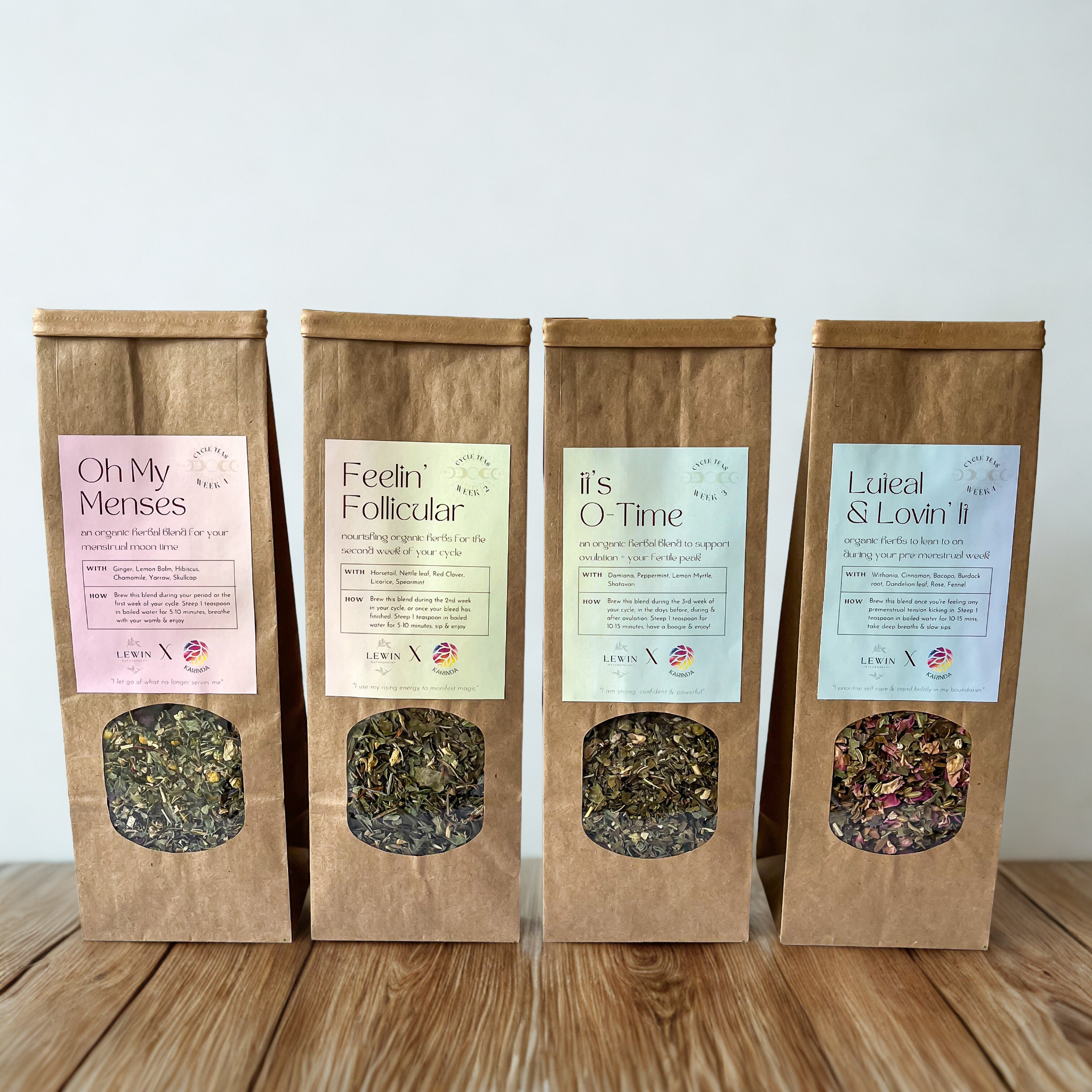
If you’d like to enjoy a herbal tea blend throughout all four phases of your menstrual cycle, we have included each blend of our Cycle Teas in a bundle so that you can have all four at a discount.
Includes
Size
Each bag contains 60g of tea (40 serves).
1 tsp = 1 serve of tea